Building a Daily Writing Practice: How to Write Every Day and Finish Your Book
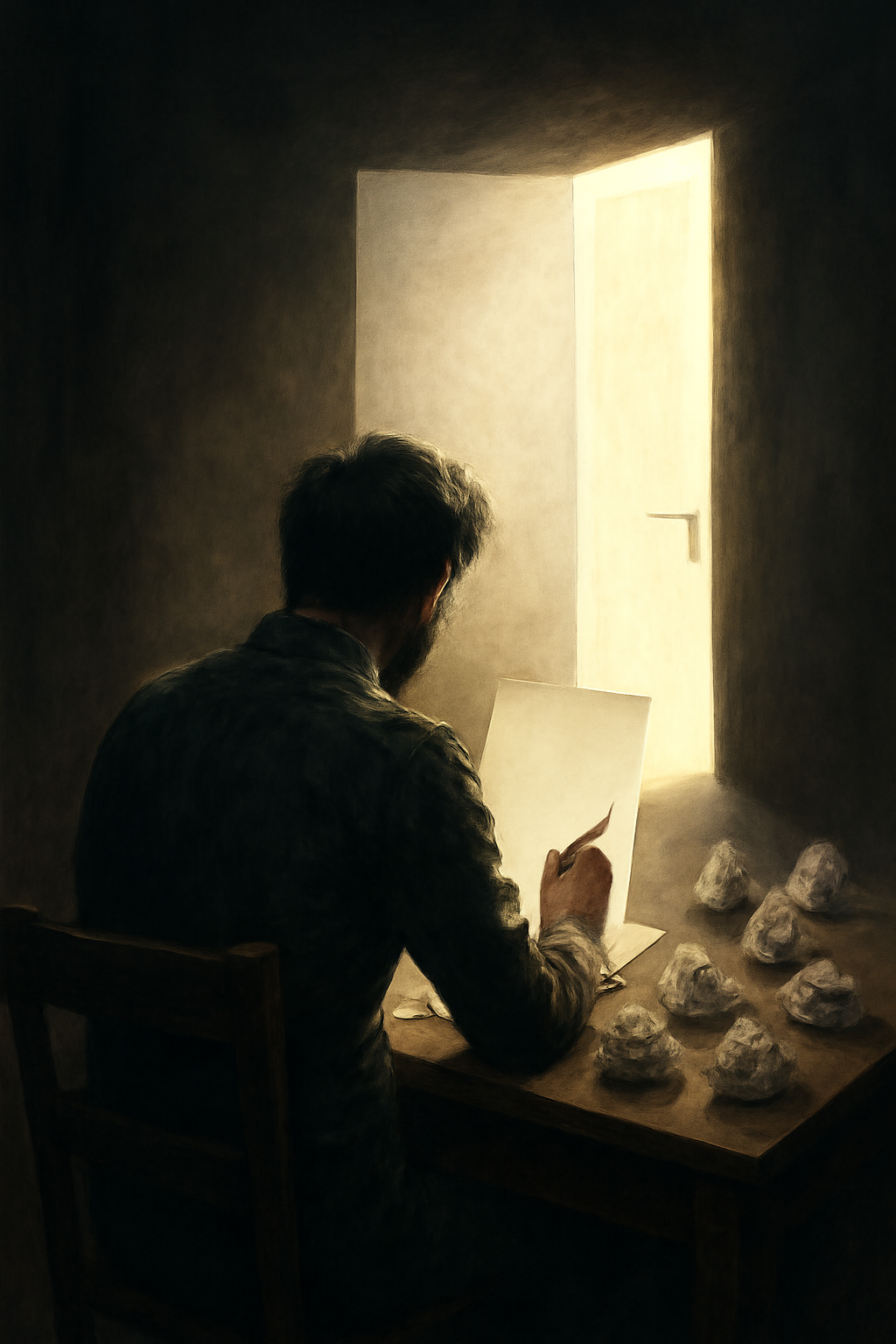
The difference between writers who finish books and those who do not comes down to one thing: consistency. This is how you build it.
The Craft
Hard won wisdom, practical techniques, and honest advice from writers who have been where you are.
Guided Learning
Pick a path. Follow it through. Each one is a curated journey through the craft.

The difference between writers who finish books and those who do not comes down to one thing: consistency. This is how you build it.

The best mystery fiction makes the reader an active participant. Every clue is an invitation. Every red herring is a challenge.
By The Quill & Current™ Team

Every story is a promise. Structure is how you keep it. From three act architecture to the hero's journey, this guide breaks down the frameworks that work.
By The Quill & Current™ Team

Great dialogue reveals character, advances plot, and creates tension, all while sounding like real people talking. Here is how to write it.


By The Quill & Current™ Team

Intelligent writing tools are not replacing writers. They are giving writers superpowers. Here is the honest case for using intelligent as a creative partner.
By The Quill & Current™ Team

Television writing is the art of the controlled reveal. Every act break is a promise. Every cold open is a hook.
By The Quill & Current™ Team

Audiobooks are the fastest growing format in publishing. Writing for listeners requires a fundamentally different approach.
By The Quill & Current™ Team

Stage plays strip storytelling to its most essential elements: actors, space, and language. Here is how to write for the living stage.
By The Quill & Current™ Team

Poetry is experiencing a renaissance. Social media, writing tools, and new publishing platforms are creating opportunities that did not exist a decade ago.
By The Quill & Current™ Team

The hardest part of memoir is not remembering. It is choosing. Your life contains a thousand stories. A good memoir tells one.
By The Quill & Current™ Team

A great picture book is a 32 page symphony of words and images. Every spread is a stage. Every page turn is a reveal.
By The Quill & Current™ Team

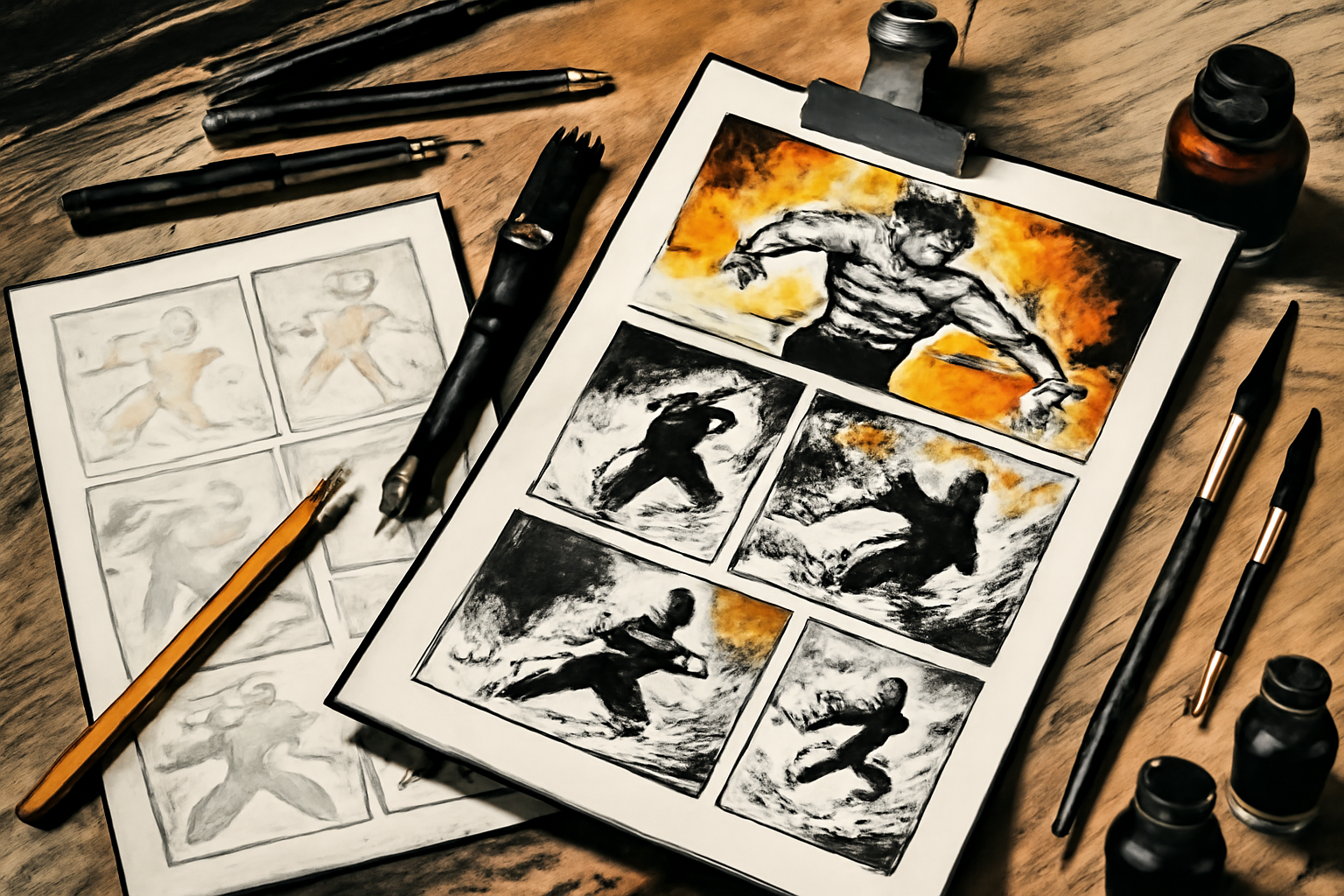
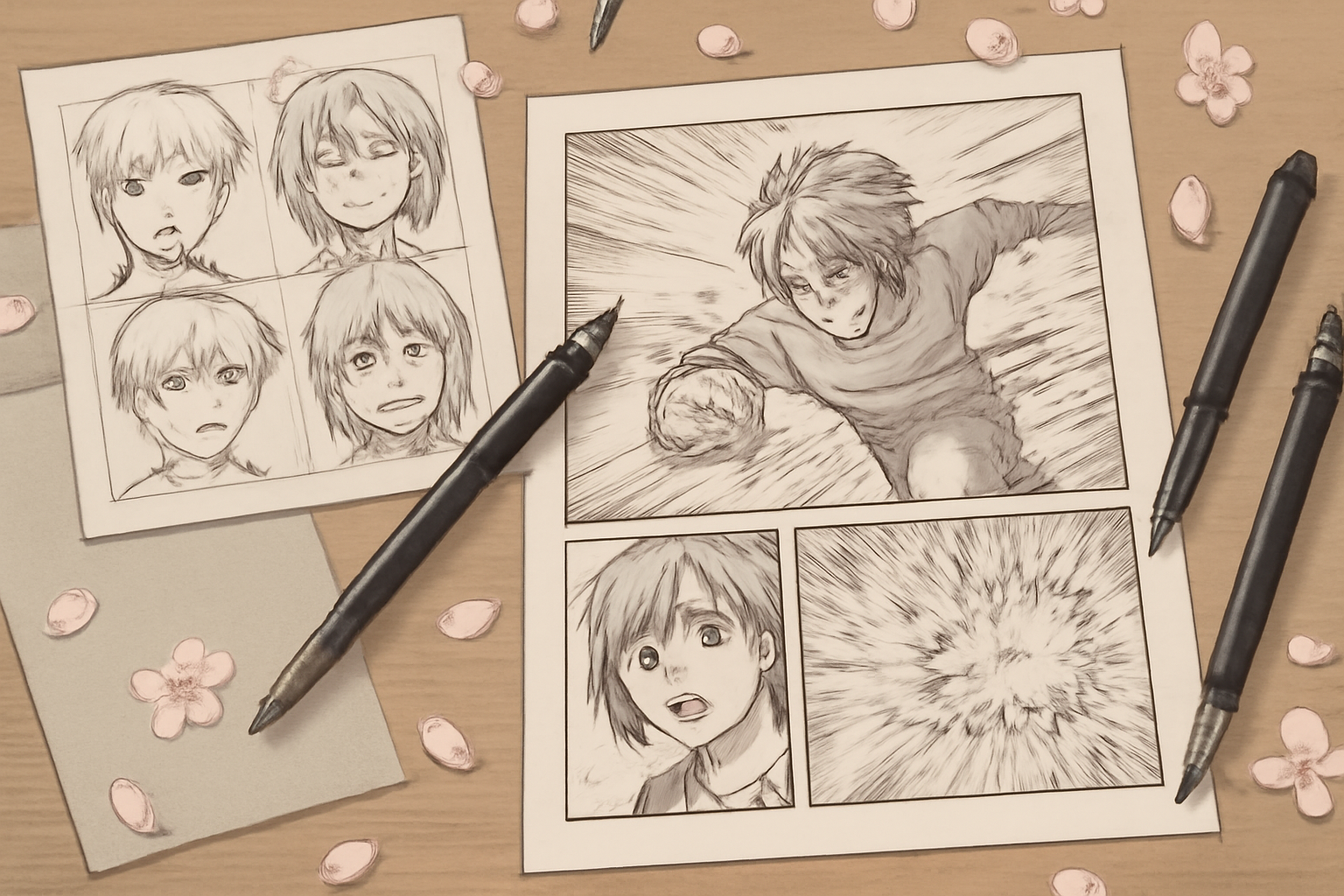
Comics are the only medium where time is space. Every panel is a frozen moment. The gutter between panels is where the reader's imagination lives.
By The Quill & Current™ Team

The best fictional worlds feel infinite. But the trick is not building everything. It is building just enough to create the illusion of depth.
By The Quill & Current™ Team

The most memorable characters in fiction are walking contradictions. Here is why internal conflict creates external fascination.
By The Quill & Current™ Team

In Hollywood, formatting is not a suggestion. It is a signal that you are a professional. Here is every rule you need to know.
By The Quill & Current™ Team

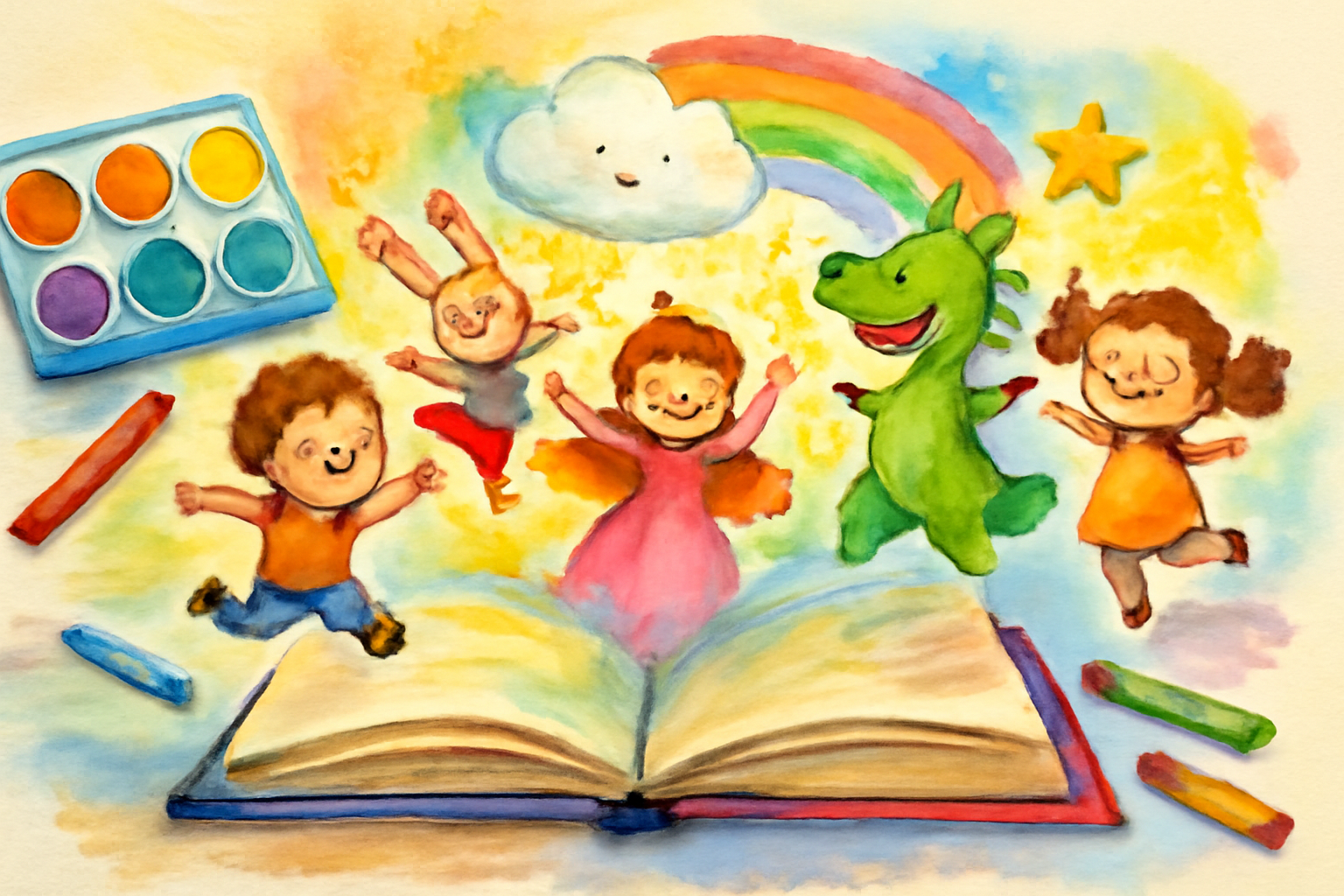
Everything you need to know about writing, illustrating, and publishing children's books, from choosing age groups to crafting page turning stories that kids love.
By The Quill & Current™ Team

A deep dive into what separates professional grade writing tools from basic text editors, and why craft focused features matter more than word count.
By The Quill & Current™ Team

Discover how adapting your prose to regional language patterns transforms your writing from generic to authentic.
By The Quill & Current™ Team

Everything you need to know about writing a novel, from first idea to finished manuscript. No theory without practice. No advice without the reason behind it.
By The Quill & Current™ Team

Writer's block is not a mysterious condition. It is a solvable problem with specific causes and specific solutions. Here are twelve that work.
By The Quill & Current™ Team

A short story is not a short novel. It is a different form with different rules. This is how you write one that actually resonates.
By The Quill & Current™ Team

The most misunderstood advice in creative writing, explained clearly with practical examples and the important exceptions nobody mentions.
By The Quill & Current™ Team

Magical realism is not fantasy with literary pretensions. It is a distinct narrative tradition with specific techniques, cultural roots, and rules that most writers get wrong.
By The Quill & Current™ Team

Western three-act structure is not the only way to tell a story. Eastern storytelling traditions offer different structural tools that produce different emotional effects.
By The Quill & Current™ Team

Every writer will eventually write a character whose background differs from their own. Let me show you how to do it honestly and well.
By The Quill & Current™ Team

A book proposal is a business document disguised as a creative one. This is what agents want to see and how to give it to them.
By The Quill & Current™ Team

Point of view is not a technical decision. It is an emotional one. The POV you choose determines what the reader can know, feel, and trust.
By The Quill & Current™ Team

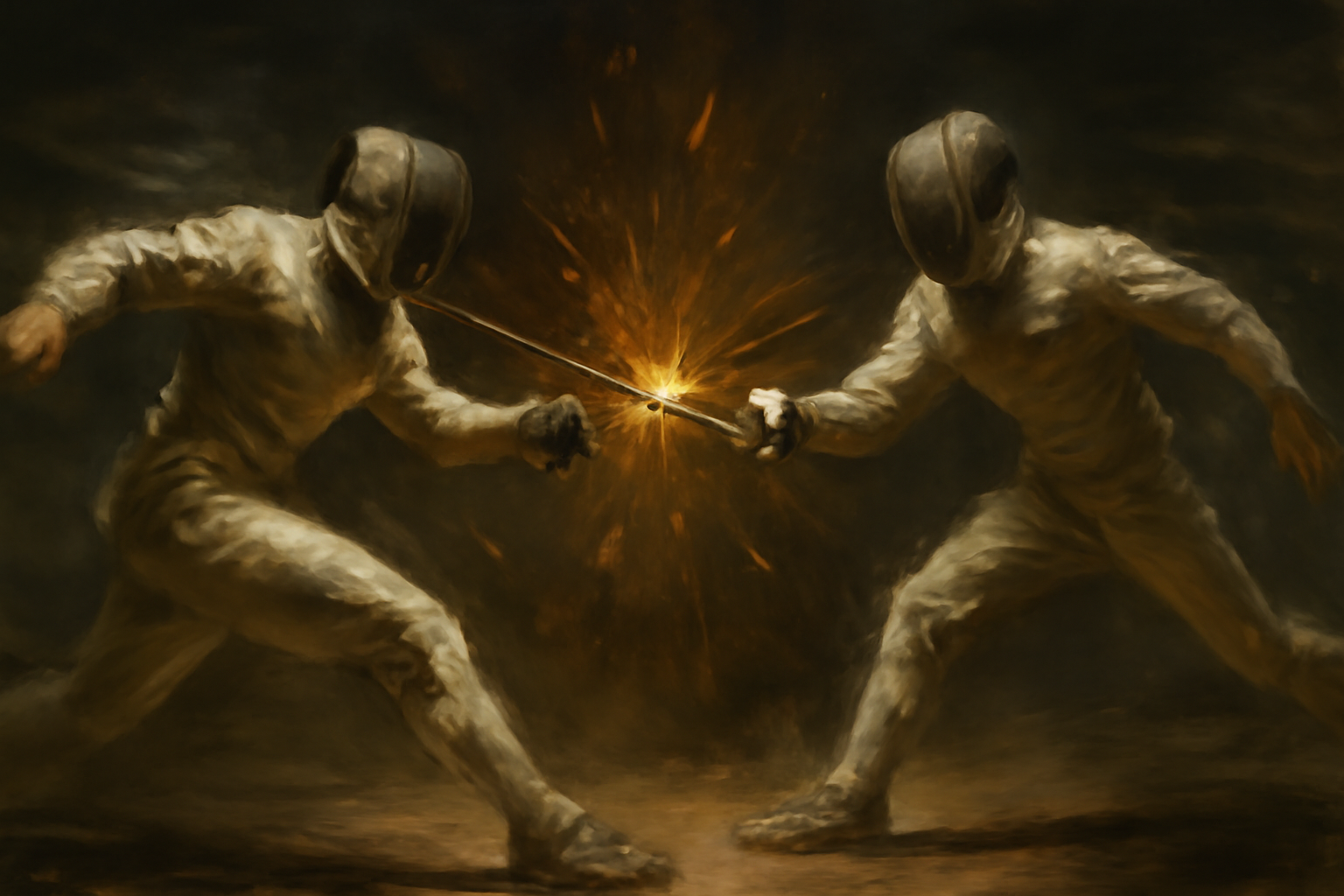
Most fight scenes fail because writers focus on choreography. Great fight scenes succeed because they focus on character under pressure.
By The Quill & Current™ Team

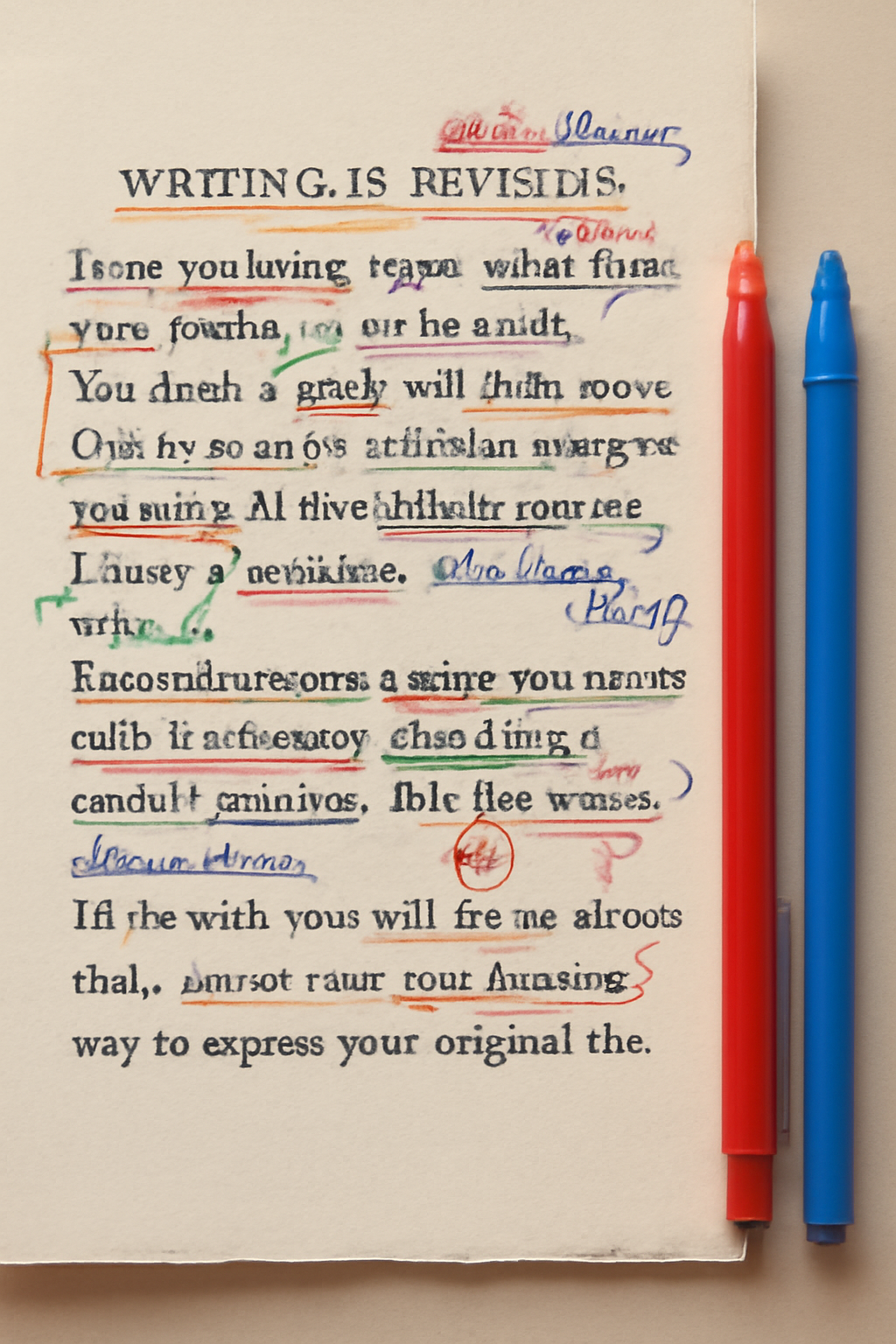
Writing is rewriting. The first draft is where you discover the story. Every draft after that is where you make it work.
By The Quill & Current™ Team

Romance is the most popular genre in fiction and the most difficult to write without falling into patterns the reader has seen a thousand times.
By The Quill & Current™ Team

A story is only as strong as what opposes it. Here is how to write villains who terrify, fascinate, and refuse to leave the reader's mind.
By The Quill & Current™ Team

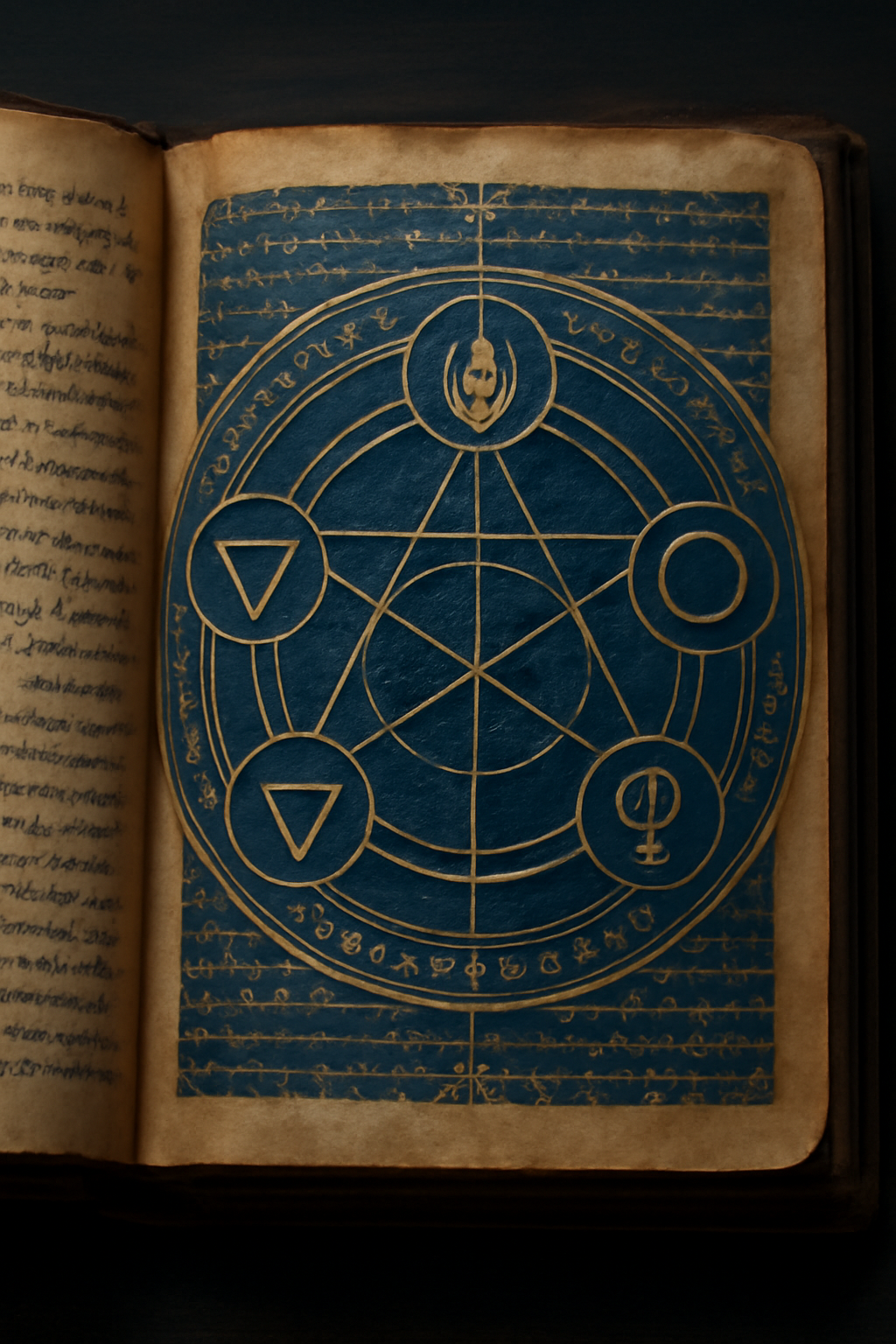
The magic in your fantasy novel is only as interesting as the rules that constrain it. What follows is how you build one that creates story instead of destroying it.
By The Quill & Current™ Team

Humor in fiction is a learnable craft, not a gift. Here are the techniques that professional writers use to make readers laugh.
By The Quill & Current™ Team

Historical fiction fails when it reads like a textbook in costume. It succeeds when the past feels as immediate and messy as the present.
By The Quill & Current™ Team

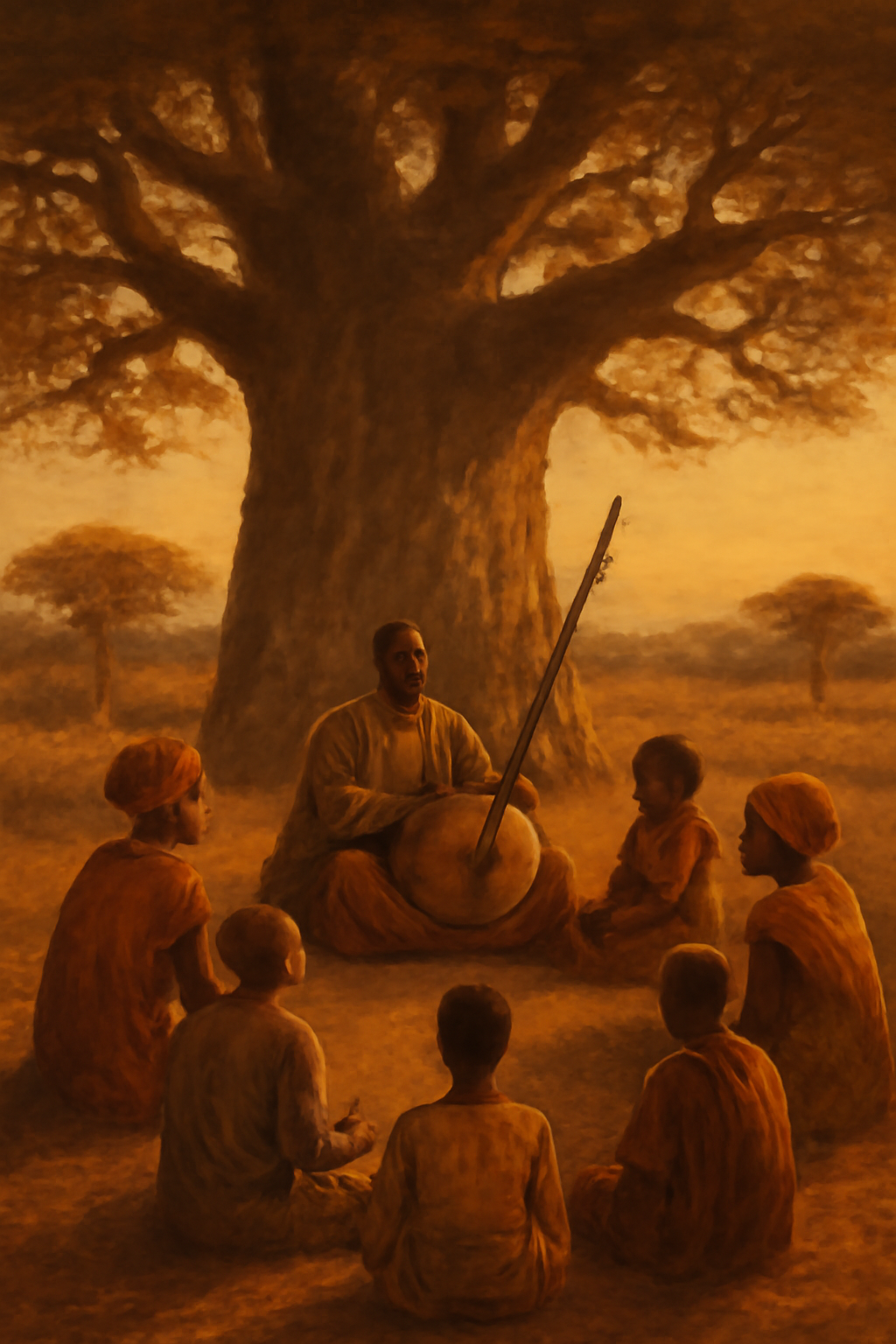
Western narrative theory is not the only tradition. African oral storytelling offers structural and rhythmic techniques that can transform how you write fiction.
By The Quill & Current™ Team

If you speak more than one language, you have a literary advantage most writers would envy. The challenge is learning to use it.
By The Quill & Current™ Team

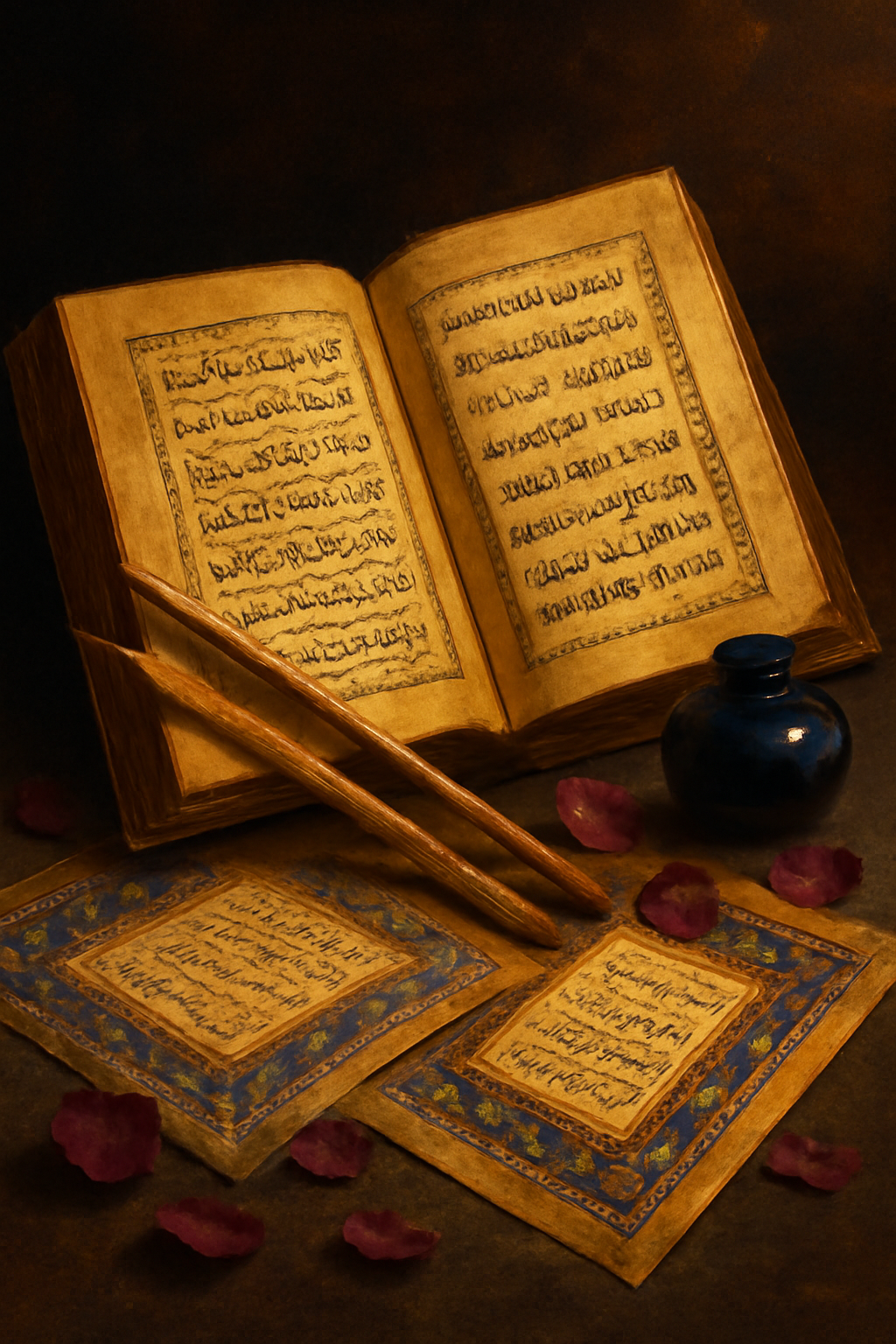
Two of the world's oldest and richest poetic traditions offer fiction writers tools that Western craft books never mention.
By The Quill & Current™ Team

The hardest thing about writing a sequel is that everything your readers loved about the first book is now an expectation. And expectations are traps.
By The Quill & Current™ Team

Every narrator is unreliable. The interesting question is whether they know it.
By The Quill & Current™ Team

The prologue is the most abused structural tool in fiction. It is also, when used correctly, one of the most powerful.
By The Quill & Current™ Team

Pacing is not about speed. It is about rhythm. The reader needs both the sprint and the breath.
By The Quill & Current™ Team

Two timelines means two stories that become more meaningful together than either one alone. Three timelines means you should probably cut one.
By The Quill & Current™ Team

The challenge of writing intimacy is not finding the right words for bodies. It is finding the right words for vulnerability.
By The Quill & Current™ Team

The problem with most character deaths in fiction is not that they happen. It is that they do not cost anything.
By The Quill & Current™ Team
Join writers who take their craft seriously. Ten genres. Tools that understand your voice.